The front of a protein drink promises strength, energy and focus. The back tells the real story. Labels are crowded with numbers, abbreviations and small print, and the differences between two similar bottles can be bigger than the marketing suggests.
Here is a simple method for reading labels so you choose drinks that match your goals instead of the loudest slogan.
Start With the Serving Size
Every number on the panel refers to a serving, and a serving is not always the whole bottle. A drink that lists 12 grams of sugar per serving may contain two servings, which doubles everything. Check the serving size first, then multiply if you plan to finish the bottle.
Manufacturers know most people read only the top of the panel. If the serving size looks unrealistic, assume the real numbers are higher than they appear.
Look at the Protein Source and Amount
Protein drinks use whey, casein, milk protein, soy, pea or a blend. Whey digests quickly and suits post workout recovery. Casein digests slowly and suits evening use. Plant proteins work well for people avoiding dairy, although some combine several sources to reach a complete amino acid profile.
Compare grams of protein per calorie. A drink with 20 grams of protein and 120 calories is a very different product from one with 20 grams and 300 calories, even though both can claim the same headline number.
Watch the Sugar and Sweeteners
Sugar can appear under many names, including glucose syrup, cane juice, maltodextrin and fruit concentrate. Ingredients are listed by weight, so anything near the top of the list is present in large amounts. Many drinks replace sugar with sweeteners such as sucralose, stevia or erythritol. They reduce calories, but taste and tolerance vary, and some people notice digestive effects.
For general guidance on how to read nutrition panels and understand daily values, the US Food and Drug Administration guide to the Nutrition Facts label is clear and free.
Juices Need the Same Scrutiny
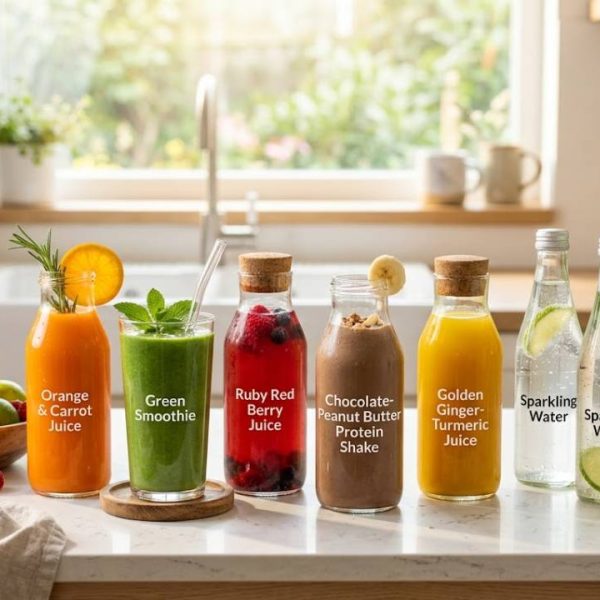
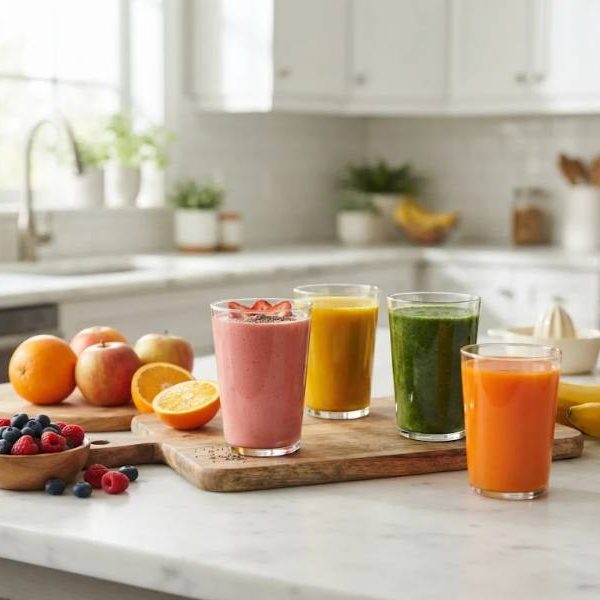
Fruit juice can sound healthy while behaving like a soft drink. Even without added sugar, a glass of juice carries a lot of natural sugar and little fibre. Look for 100 percent juice rather than juice drinks, which may contain added sugar and flavouring. Cold pressed and not from concentrate are marketing phrases, not guarantees of lower sugar.
Fresh juice is best consumed in smaller portions and alongside a meal. Smoothies that include whole fruit and vegetables retain more fibre.
Check Caffeine and Other Extras
Energy drinks add caffeine, taurine, B vitamins and herbal extracts. Caffeine content differs widely, from about 80 milligrams to over 300 in some large cans. If you drink coffee as well, the total adds up fast. People who are pregnant, sensitive to stimulants or taking medication should talk to a health professional before using these products.
Understand Claims Like Natural and Low Fat
Terms on the front are often loosely regulated. Natural has no single definition in many countries. Low fat or light may be accompanied by extra sugar. Look for specific, measurable claims, such as grams of protein, and ignore vague ones. A short ingredient list with names you recognise is usually a better sign than a long list of additives.
Imported Drinks and Foreign Labels
Imported products can add confusion. Units may be in millilitres, ingredients may be listed under local names and allergen warnings may follow different rules. Shoppers who buy online from abroad should translate the label before drinking. If a drink comes from Italy, for instance, Italian translation services can help importers and small shops convert ingredient lists and allergen notes correctly.
The same applies to German products. This article on German to English translation explains how compound words and technical terms can change meaning, which is useful when reading nutrition information.
Allergens and Special Diets
Allergens must be highlighted, often in bold, on the ingredient list. Milk, soy, nuts and gluten are common. Cross contamination warnings, such as may contain traces, are voluntary in many places, so contact the producer if you have a serious allergy. Vegan and lactose free labels should be backed by certification or clear ingredient information.
Storage, Freshness and Dates
Ready to drink protein shakes are usually shelf stable until opened, then need refrigeration and should be finished within a day or two. Fresh juices have a much shorter life. Check whether the date printed is a best before or a use by date, since they mean different things. Best before relates to quality, while use by relates to safety.
Shake bottles well, because protein and fibre settle at the bottom. Cloudiness is normal, but swelling packaging, an off smell or a sour taste means the drink should be thrown away.
A Quick Shopping Routine
Check the serving size, protein per serving, sugar and calories. Scan the first five ingredients. Ignore front of pack claims until you have verified them on the back. Compare two products side by side before you decide.
With a little practice this takes ten seconds. Over a year, those ten seconds shape what you eat, drink and spend, and they put the decision back in your hands.